Kurunegala District
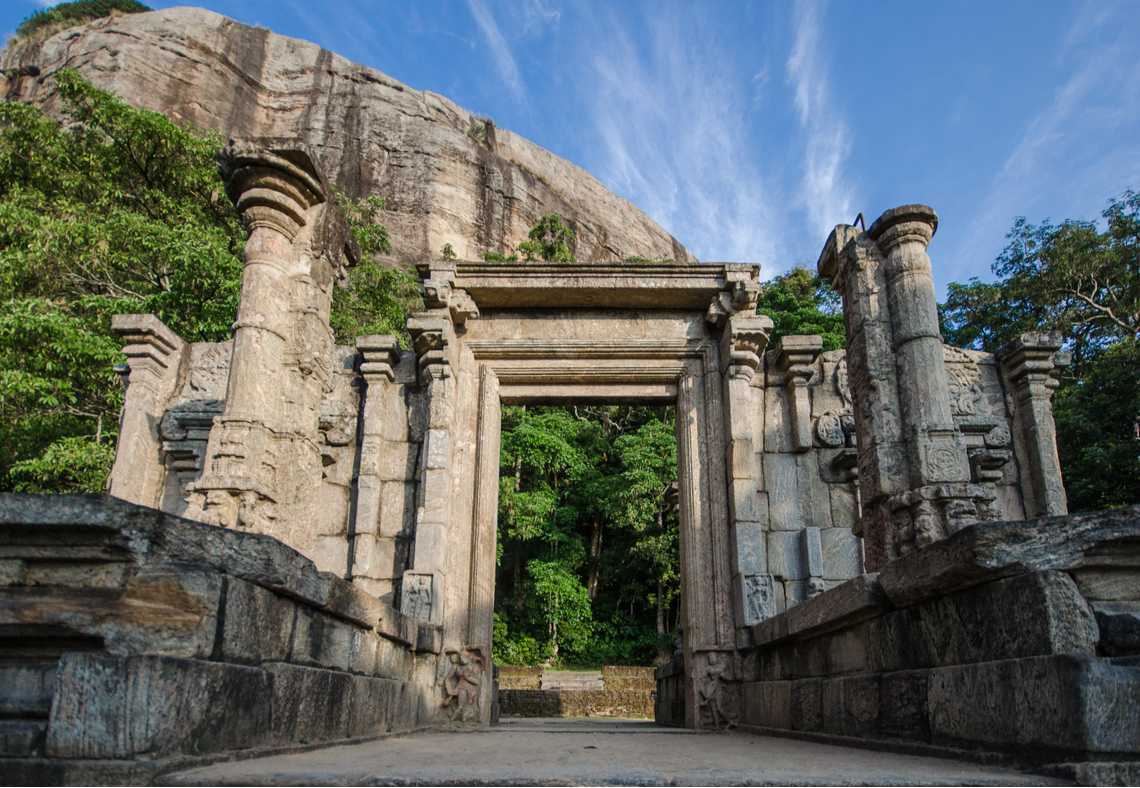
An short-lived medieval capital atop a massive rock.
Ornamental Staircase, Lion Carvings, History Museum
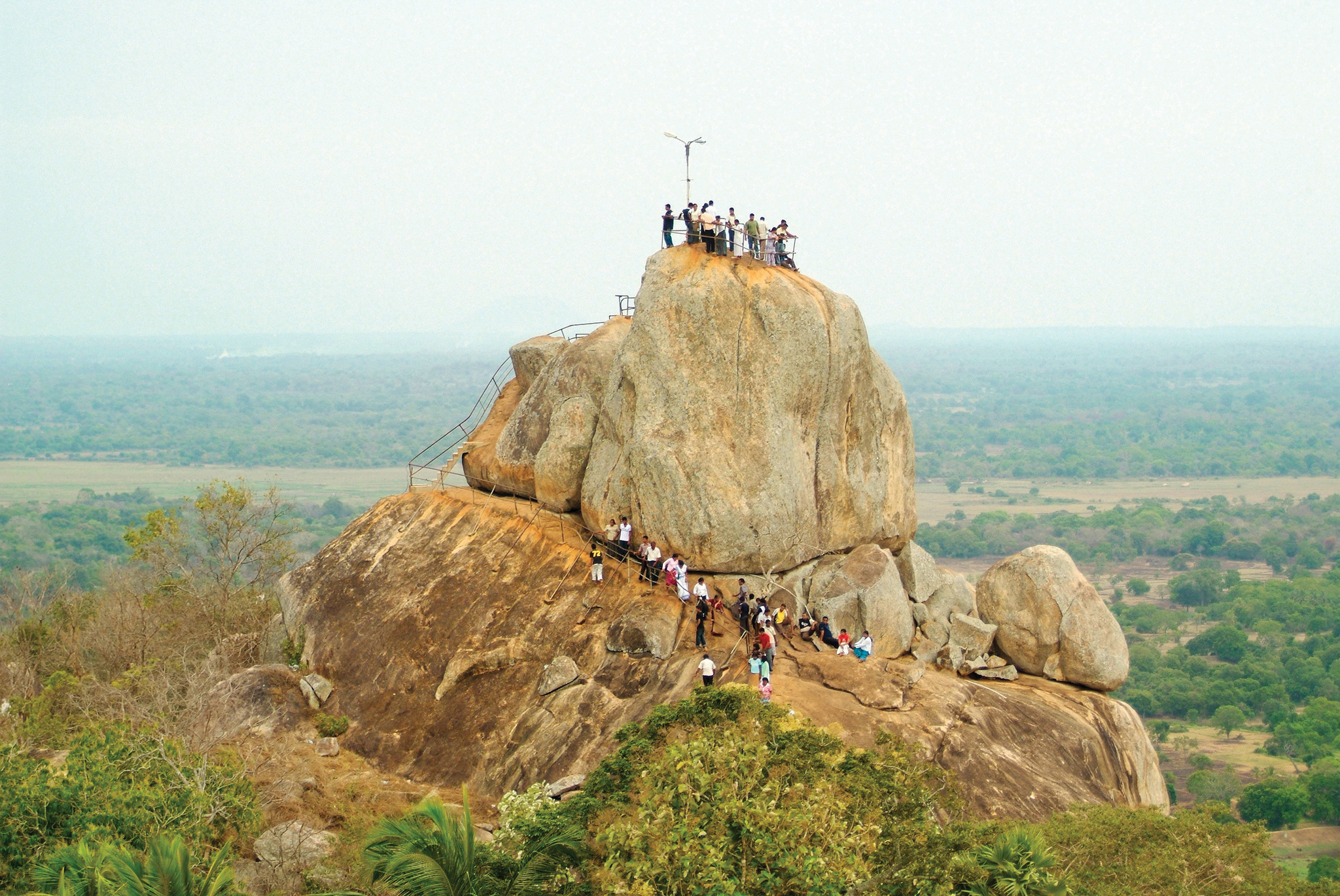
Yapahuwa is a dramatic, isolated granite rock that rises 90 meters above the plains of the Kurunegala district. For a brief but intense period in the 13th century, it served as the capital of Sri Lanka and the final refuge for the Sacred Tooth Relic. It stands as a testament to a time of political turmoil and the desperate, heroic efforts to protect the nation's most sacred treasures from foreign invasion.
The fortress is defined by its dramatic defensive layout. The site features two sets of inner and outer ramparts and moats. However, its most iconic feature is the steep, highly ornate stone staircase that leads toward the summit. This staircase is flanked by carvings of lions, celestial dancers, and guardians that exhibit a distinct blend of local Sinhalese and Chinese artistic influence.
You need to travel to Yapahuwa if you are tired of the crowds at Sigiriya and Dambulla. It is a true "off-the-beaten-path" destination. You will often have the entire site to yourself, allowing for a quiet, contemplative exploration of the ruins and the history of the medieval kings who once stood guard here.
The climb is adventurous and rewarding, offering a sense of discovery that feels much more authentic and personal than the more "packaged" tourist sites.
Visit during the dry months, January to March. Avoid the site during heavy rain, as the rock and the old stone steps can become incredibly slick and dangerous.
Year-round
Small entrance fee