North Central Province
The second oldest kingdom of Sri Lanka with magnificent stone ruins.
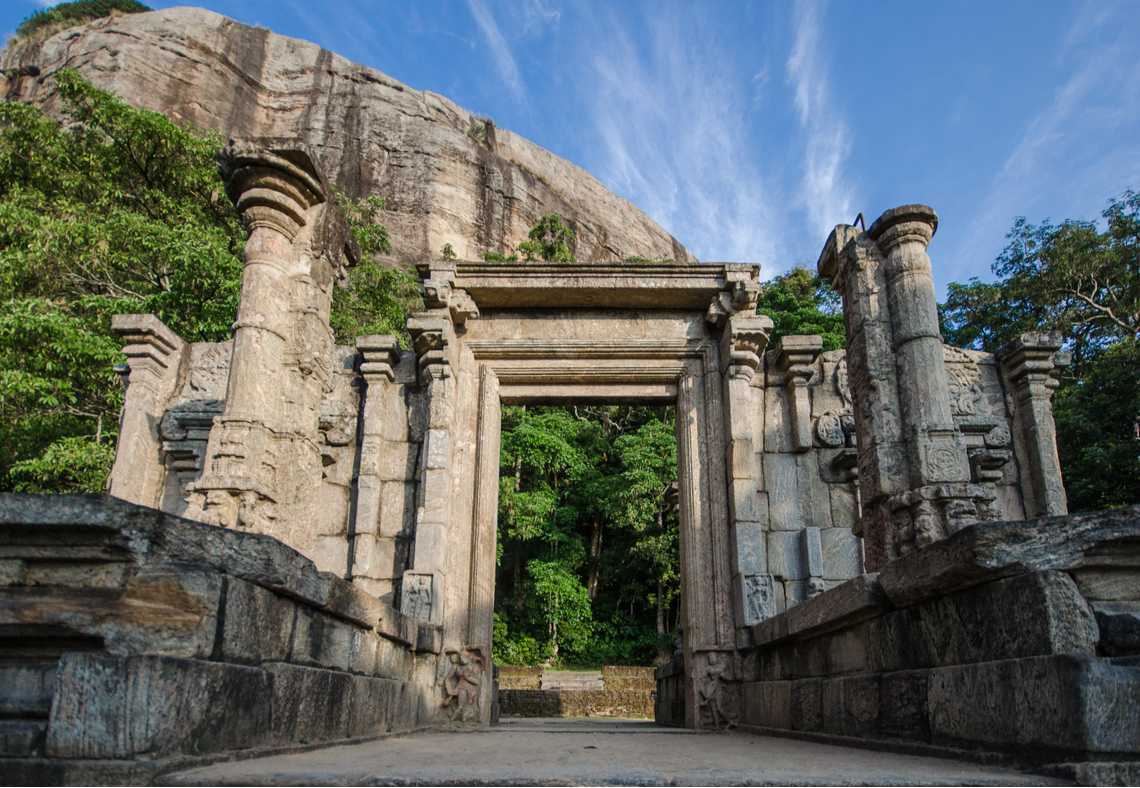
Gal Vihara, Vatadage, Ancient Royal Palace
Polonnaruwa was the second royal capital of Sri Lanka, rising to prominence in the 11th century after the fall of Anuradhapura. It remains one of the best-preserved and most visually stunning archaeological sites in the Cultural Triangle. Unlike the sprawling, forest-covered ruins of Anuradhapura, Polonnaruwa offers a more compact and concentrated tour, showcasing a time when Sinhalese artistry reached its creative zenith.
The site is famous for the monumental building projects of King Parakramabahu I, who famously declared that "not even a little water that comes from the rain should flow into the ocean without being made useful to man." This philosophy led to the construction of the Parakrama Samudra (Sea of Parakrama), a massive reservoir that still feeds the region today. The architecture here shows significant influence from South Indian styles, as seen in the Hindu-influenced shrines scattered among the Buddhist structures.
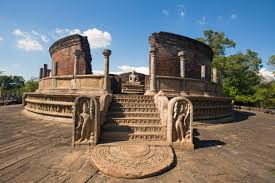
The crown jewel of the site is the Gal Vihara, where four colossal Buddha statues are carved directly into a single granite cliff face. Other highlights include the Vatadage (a circular relic house with intricate moonstone carvings), the Lankatilaka (a massive brick temple), and the Royal Palace complex.
You need to travel to Polonnaruwa because it is the most aesthetic and manageable ancient city in Sri Lanka. If you find the vastness of Anuradhapura intimidating, Polonnaruwa provides a more focused historical experience. The level of detail on the carvings, especially the moonstones, is some of the finest in the country.
Furthermore, the site is exceptionally beautiful. Large portions of the archaeological park are shaded by ancient, towering trees, and the surrounding environment—with its lakes and abundant birdlife—creates a peaceful setting that feels far more like a manicured historical park than a dusty ruin site.
Polonnaruwa is one of the easiest historical sites to explore.
Like the rest of the Cultural Triangle, January to April is the best window for weather. Because much of the site is shaded by large trees, it is slightly more comfortable during the day than Anuradhapura, but you should still plan to arrive early in the morning to beat the afternoon heat.
January to April
Ticket required