Matale District
The largest and best-preserved cave temple complex in Sri Lanka.
Golden Temple, Cave Paintings, Buddha Statues
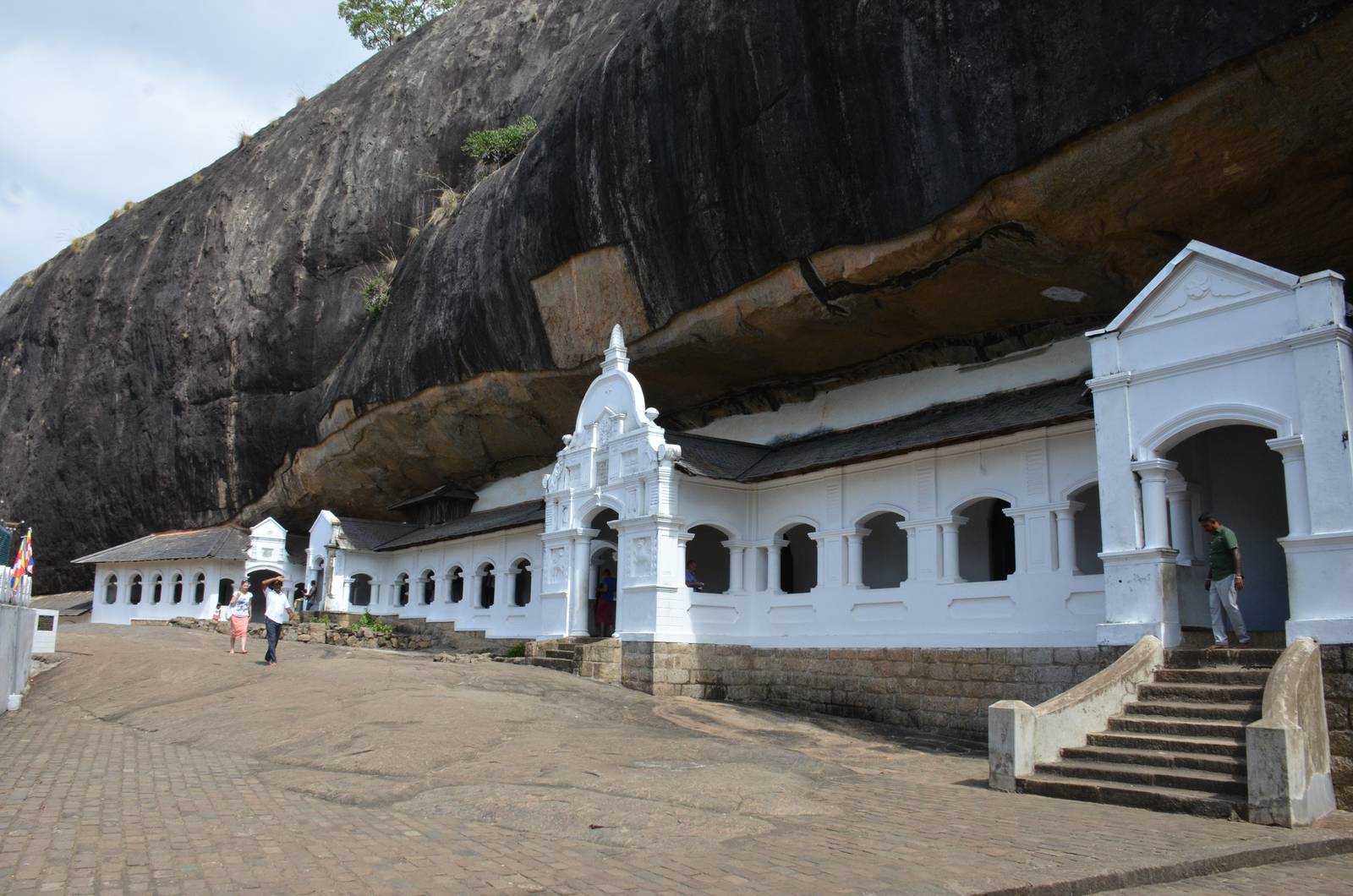
The Dambulla Cave Temple, officially known as the Golden Temple of Dambulla, is the largest and best-preserved cave temple complex in Sri Lanka. Recognized as a UNESCO World Heritage site since 1991, this sacred pilgrimage site has been in continuous use for over 22 centuries. The complex is situated beneath a massive rock overhang that towers 160 meters over the surrounding plains.
The history of Dambulla dates back to the 1st century BC. When King Valagamba was driven from his throne in Anuradhapura by South Indian invaders, he sought refuge in these remote caves for 14 years. Upon reclaiming his kingdom, he transformed his hiding place into a magnificent rock temple as a gesture of gratitude. Over subsequent centuries, various kings added to the complex, resulting in the breathtaking sanctuary we see today.
The complex consists of five separate caves of varying sizes. Inside, visitors will find a staggering collection of 153 Buddha statues, three statues of Sri Lankan kings, and four statues of Hindu gods and goddesses. The most awe-inspiring feature, however, is the intricate mural paintings that cover 2,100 square meters of the cave walls and ceilings. These murals flawlessly follow the natural contours of the rock, depicting scenes from the Buddha's life, including his temptation by the demon Mara and his first sermon.
Dambulla is not just a stopover; it is a profoundly moving artistic and spiritual experience. You need to visit this place to witness a masterful collision of nature and human devotion. The sheer scale of the murals is mind-boggling—standing inside the caves, completely enveloped by centuries-old paintings and the soft glow of golden statues, evokes a deep sense of peace.
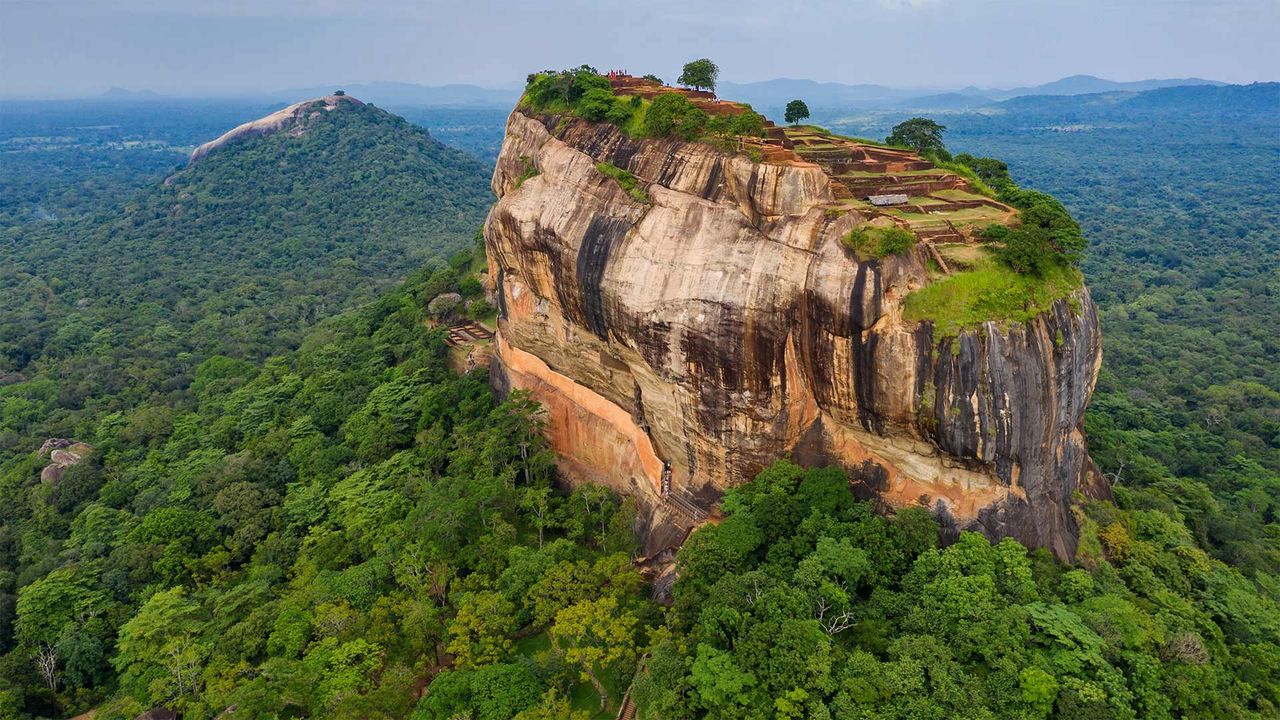
Furthermore, Dambulla offers an incredible contrast to other sites in the Cultural Triangle. While places like Polonnaruwa and Sigiriya showcase royal power and military might, Dambulla represents spiritual endurance and artistic mastery. The panoramic views from the terrace outside the caves—stretching across the jungle all the way to Sigiriya Rock in the distance—are worth the journey alone.
Unlike the sheer vertical ascent of Sigiriya, the climb to the Dambulla Cave Temple is much more manageable, though it still requires a brief physical effort.
The best time of year to visit Dambulla is during the dry season, from January to April. However, because the main attractions are sheltered inside the caves, Dambulla is an excellent year-round destination that isn't heavily impacted by the monsoon rains.
In terms of the time of day, the absolute best times to climb are early morning (around 7:30 AM) or late afternoon (around 4:00 PM). The rock absorbs an immense amount of heat during the day, making a midday climb exhausting and the stone courtyard outside the caves unbearably hot for bare feet. A late afternoon visit offers the added bonus of watching a spectacular sunset over the jungle canopy from the temple terrace.
Year-round
Dress code: cover shoulders and knees